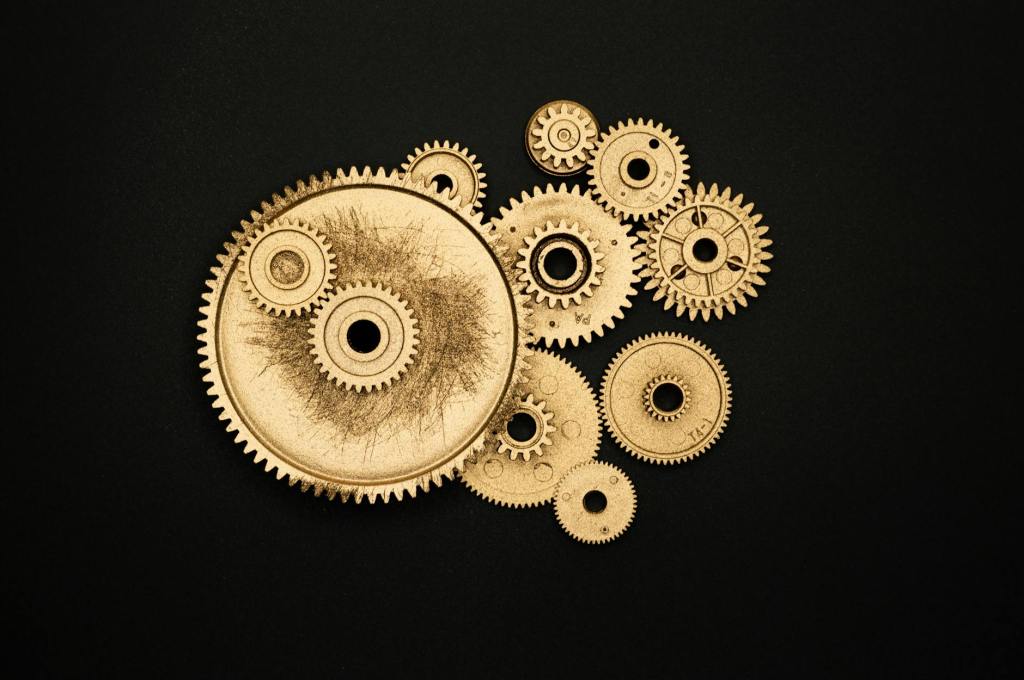
A reminder that structure should serve purpose.
At a recent event, I was asked how banks and fintechs can build ecosystems.
The question made me think about the fact that building something connected isn’t the hard part. Keeping it useful is.
One of my former bosses once told me, “You need to have a system.”
And by “system,” he didn’t mean software, templates, or infrastructure.
He meant the habits, routines, and rules that make work consistent and manageable. The reporting rituals, workflows, and decisions we repeat because “that’s how we do things.”
At the time, that’s all I understood.
Later, I realized what he really meant was rhythm and clarity: a way to keep purpose visible when things get messy.
A good system gives shape to effort. A bad one replaces it.
Going back to the original thought, every system starts with a purpose: to make work easier, decisions faster, or value clearer.
But as it grows, it starts drifting.
The focus shifts from why it exists to how it runs.
What began as a way to help people becomes a process people serve.
So, most systems don’t break from failure. They just lose sight of what they were built for.
You’ve seen it happen.
A dashboard everyone updates, but no one reads.
A “weekly sync” that hasn’t produced a decision in months.
KPIs that reward motion, not progress.
At some point, the system stops helping and starts maintaining itself.
I’ve seen it on regular projects: when a small slip turns into a weekly update, then a tracker, then another status call.
It all feels responsible, even efficient, but after a while the energy shifts.
People stop solving the problem and start managing the process.
You spend more time talking about work than actually doing it.
Here’s how to avoid that trap:
- Start with purpose, not process.
Keep asking, Who is this for? and What does it make better?
If the answer isn’t clear, you’re drifting. - Prune what’s done its job.
End one meeting, one report, one rule every quarter.
Complexity grows automatically. Clarity doesn’t. - Reward subtraction.
It’s easy to praise the people who add things.
Start celebrating the ones who simplify. - Reconnect feedback to value.
When a system loses touch with real outcomes, it starts echoing itself.
Ask directly: Does this still help anyone?
Good systems evolve like good habits: they stay flexible without losing their point.
So before you add another process, report, or platform, pause and ask:
Does this still do what it was meant to do?
If the answer’s yes, keep it.
If not, stop fixing symptoms and go back to purpose.
That’s how systems, and people, stay alive.
 Florin Branici
Leave a comment