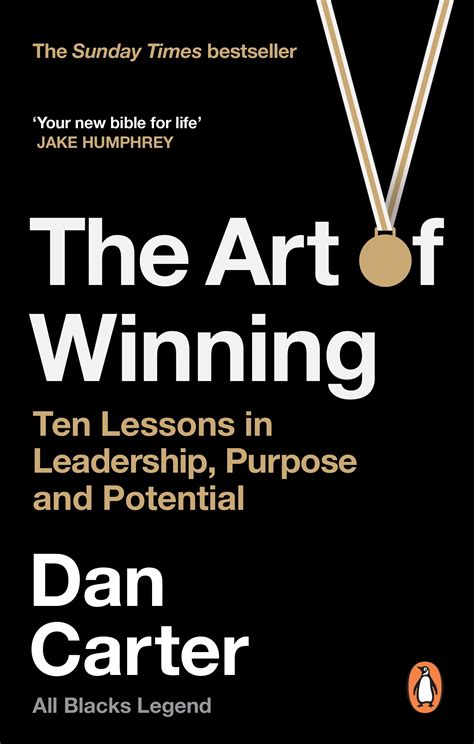
During my soon-to-end early summer break, I picked up The Art of Winning by Dan Carter. A book I knew I needed, which is exactly why I reached for it. I was looking for something steady, reflective, and grounded and that’s exactly what I found. No big surprises, of course: turns out, the greatest athletes in the world don’t just wing it. They work hard. Relentlessly. Who would’ve thought?
For context, Carter is widely regarded as the best fly-half in rugby history. He led New Zealand’s All Blacks through an era of unmatched dominance: 112 caps, two Rugby World Cup wins, and three World Rugby Player of the Year awards. The book is structured around ten lessons from his career with the All Blacks, and one of the ones that stuck with me most is about humility.
Specifically, the team’s quiet but powerful ritual: sweeping the sheds.
After every match, whether a World Cup final or a regional test, the All Blacks clean their own locker room. It’s a gesture that speaks volumes, not just about discipline, but about mindset. In an environment where elite athletes could easily leave the details to others, the All Blacks choose to take responsibility for their space. It’s a deliberate rejection of entitlement and a daily recommitment to respect, for the team, for the staff, and for the game itself. Dan Carter explains it simply but powerfully:
Who are we to think we should be making a mess? When we walk into the changing room at Twickenham, it’s spotless. Someone has clearly got it perfectly prepared for us, so who are we to think we can come in, do the business and then leave it a mess and expect someone else to clean it up? That’s not fair; it’s not who we are as human beings nor All Blacks.
This simple act reminded me of another lesson I’ve encountered before, this time from Admiral William H. McRaven’s famous speech and book, Make Your Bed. In his opening message to graduating students at the University of Texas, McRaven advised:
“If you want to change the world, start off by making your bed.”
At first glance, the All Blacks cleaning a changing room and a Navy SEAL officer making his bed might seem unrelated. But both habits are small, disciplined acts that carry deep meaning. They’re about self-respect. About taking ownership. About setting a tone for everything else that follows.
McRaven’s idea is that making your bed well, every single morning, starts your day with a win a reminder that details matter, and that you’re responsible for your own environment, no matter how chaotic things get around you. Carter’s perspective echoes that:
“If you’re disciplined off the field—picking up rubbish from the team room, being on time, clearing stuff up after you’ve been in the changing room—then that translates to the field. You’ll be disciplined there.”
Both rituals create a mindset. They set an example for what kind of culture you’re trying to build whether it’s on a rugby field, in a startup office, or inside a product sprint team. It’s not about the cleaning. It’s about the discipline to do the unglamorous things, and the humility to do them without being asked.
One of my favorite parts in Carter’s reflection is this line:
“One of the strengths of what we do is that it’s not the guy who doesn’t play who sweeps the sheds, or the young players.
It’s just the first person who grabs the broom […] because no individual is bigger than the team”
That line alone says more about values than most management books. In teams where titles matter less than contribution, and where even the highest performers are still willing to do the smallest tasks, that’s where trust is built. That’s where culture becomes self-sustaining.
Reading this on a quiet summer morning, I couldn’t help but connect it back to something I’ve been circling in my own work, the discipline gap. That space between knowing what matters and actually making time for it. Sweeping the sheds, making the bed… they’re not just habits, they’re anchors. They pull you back to intention when things speed up. And maybe that’s what I need more of right now, not new tools or frameworks, just small, steady acts that keep me aligned with what I already know to be true.
Recommended reading: The Art of Winning: Ten Lessons in Leadership, Purpose and Potential by Dan Carter (Hachette Aotearoa New Zealand, 2021). Whether you’re a sports fan or not, it’s a thoughtful, grounded book full of ideas worth carrying into work—and life.

Leave a comment