Forty-five years of Metallica. More than just music.
It was a freshmen party. Early nineties. Someone convinced the DJ to play “…And Justice for All.” A classmate of mine, convinced by the title that it was something slow and romantic, walked up to our favourite teacher (chemistry) and invited her to a slow dance.
What followed was not a slow dance.
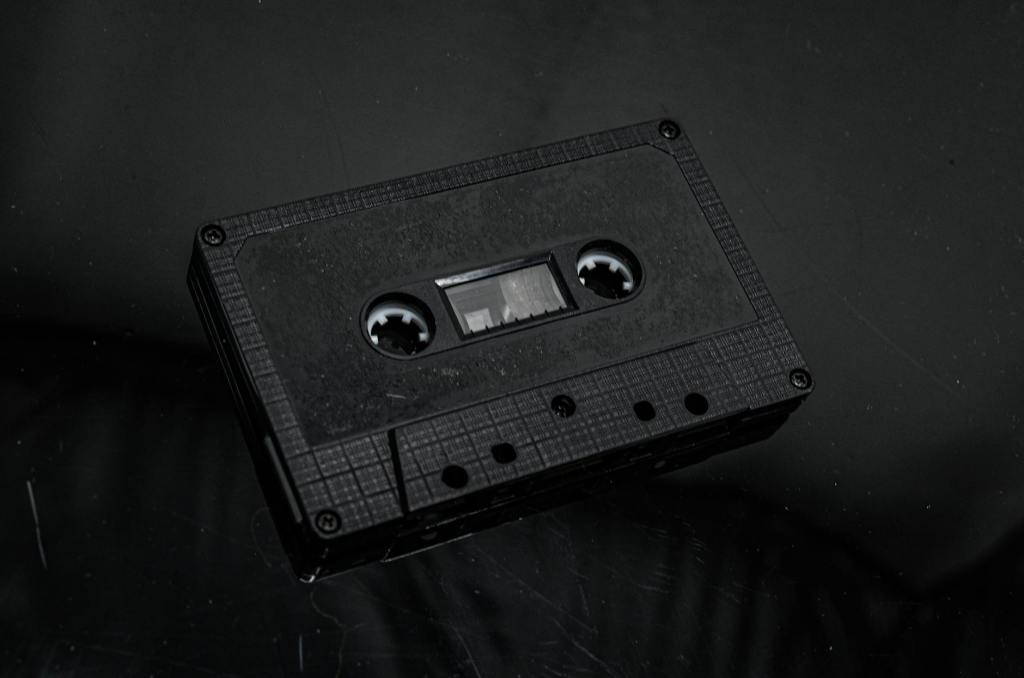
I wasn’t there. But the story travelled fast, the way good stories do. And it left me intrigued enough to find out what could cause that kind of chaos. It took asking several classmates, then their friends, until I finally tracked down someone who had the album. He refused to lend it, but made me a copy on his cassette recorder. That’s how things worked in the nineties.
I didn’t choose Metallica the way you choose a hobby. I listened to that tape from beginning to end. Then again. Then hundreds of times more over the years. They were just suddenly there, woven into the fabric of things that mattered. Not a careful, considered discovery. A collision. Loud, unexpected, slightly chaotic. The kind of thing that stays with you without asking permission.
And then, like most relationships that start that intensely, it got complicated.
The Black Album divided people: too polished, too commercial, too accessible for some. Load and Reload divided more. Grunge was happening and the world felt different. The Napster era was a PR disaster that felt, to many fans, like a betrayal of everything the band had stood for. Jason Newsted left. Each of these things, on its own, was survivable. Together, over the course of a decade, they added up to distance.
I wasn’t angry. I just moved on. The way you move on from things that no longer seem to fit.
Coming back wasn’t a decision. It happened slowly, the way most real things do. There was no shortage of alternatives during the drift, post-thrash, nu-metal, a whole wave of things that felt current and urgent at the time. Most of them didn’t last. They simply lacked the commitment. To each other, to their audience, to something bigger than any single album or era.
At some point I found myself going back, almost by habit, to see what they were doing. St. Anger was polarising: raw, unpolished, deliberately difficult. For some it was unlistenable. For me, it was the first sign that something honest was happening again. Then they came to Romania, my first time seeing them live. That settled it. Around the same time I watched Some Kind of Monster, the documentary filmed during the band’s near-collapse: the arguments, the therapy sessions, the dysfunction laid bare. They could have buried it. They released it. That took something: honesty, confidence, indifference to image. By the time Lulu arrived (the Lou Reed collaboration I prefer not to discuss) I was already back and I didn’t care. So I stayed.
I wasn’t looking for what I had found at fifteen. The devotion was gone, or rather, it had transformed into something harder to name. What I found myself appreciating wasn’t just the music. It was the resilience. Twenty years of growth, a peak that went mainstream, then a slow unravelling that nearly finished them. And then the comeback, older, more deliberate, selling nostalgia to people like me while somehow also pulling in a new generation that had never owned a cassette tape. That combination is rarer than it looks. Most bands get one or the other. Metallica got both.
What I also started seeing, with older eyes, was the craft behind it. The business decisions, some controversial, some brilliant, all deliberate. The Metallica family: the ecosystem of relationships, partnerships, and community built and maintained over decades. The professionalism of people who could have coasted on legacy and chose instead to keep working.
That’s a different kind of respect. Less visceral, more considered. The kind that takes time to develop and doesn’t require a poster on the wall.
Here’s what thirty-six years with one band teaches you, if you’re paying attention.
Commitment is not the same as consistency. Metallica has been many things over four decades: thrash pioneers, mainstream crossover, internet villains, documentary subjects, elder statesmen of a genre. They’ve made decisions their audience hated. They’ve made music that didn’t fit the image. They’ve argued, fractured, nearly dissolved, and come back. What they haven’t done
is stop.
Something more durable than consistency: the willingness to keep going through the versions of yourself that don’t work, toward something that does.
Institutions outlast moments. Kurt Cobain quoted Neil Young: “It’s better to burn out than to fade away.” Metallica chose neither. They chose to keep building, through the versions that didn’t work, through the criticism, through the near-collapse. The bands, companies, and people that last aren’t the ones who peaked earliest or burned brightest. They’re the ones who built something around them that could carry them through the periods when the work itself wasn’t enough.
The Metallica phenomenon didn’t happen by accident. It was earned, over decades, through intention, discipline, and an almost stubborn refusal to disappear. And through choices most bands never had the courage to make.
Distance is part of the story. There were years when they lost ground, with critics, with parts of their fanbase, with the cultural moment. They kept going anyway. And what came after the distance was something different, something that could only be appreciated by those who had stayed long enough to see it. Some things only reveal their real value after they’ve been tested.
“For Whom the Bell Tolls” is on my list of songs I want played at my funeral. So is “Nothing Else Matters.” I joke about this with my son. He’s thirteen and finds it morbid. Maybe because he’s into a different kind of music. Or maybe he’s right.
There’s something honest in it. These songs have been present at enough moments of my life that they’ve become markers. Not background music, punctuation. Millions of people in the Metallica family have a version of this story. May be the details differ, but the shape is the same.
On Wednesday evening I was there for the third time. Closer to the stage than ever before. Close enough that the price of the ticket was the kind of number you don’t say out loud.
Thirty-six years on from a cassette someone made me out of reluctant generosity. Showing up, again, for something that has proven worth showing up for.
That’s what commitment looks like from the inside. Not a decision you make once. A direction you keep choosing, through the versions that disappoint you, toward the ones that don’t.

Leave a comment